
1. Say No to Tobacco
The use of tobacco is considered the leading cause of oral cancer. Whether it is smoked or chewed, tobacco contains harmful chemicals that damage the cells lining the mouth. Cigarettes, cigars, pipes, chewing tobacco, gutka, and other smokeless tobacco products all increase the risk of developing oral cancer. The good news is that quitting tobacco at any stage begins to reduce your cancer risk. If you need help quitting, seek support from healthcare professionals, counseling programs, or smoking cessation services.2. Drink Alcohol in Moderation
Excessive alcohol consumption can damage the tissues inside the mouth and throat, increasing the likelihood of cancer. The risk becomes even greater when alcohol use is combined with tobacco. Reducing alcohol intake or avoiding it altogether not only lowers your oral cancer risk but also benefits your liver, heart, and overall health.3. Practice Good Oral Hygiene
Maintaining a clean and healthy mouth is an important part of preventing oral diseases. Brush your teeth every morning and night, clean between your teeth daily, and change your toothbrush regularly to maintain effective oral hygiene. Regular oral hygiene helps prevent gum disease, infections, and chronic irritation. Visiting your dentist for routine cleanings and oral examinations also allows any unusual changes to be identified at an early stage.4. Support Your Health with a Balanced Diet
Eating a nutritious and well-balanced diet helps strengthen your immune system and protects your body’s cells from harmful damage. Fresh fruits and vegetables are packed with antioxidants, vitamins, and minerals that may reduce the risk of several cancers, including oral cancer. Choose colorful fruits and vegetables, whole grains, lean proteins, nuts, and healthy fats while limiting processed foods and sugary snacks.5. Protect Your Lips from Sun Damage
The lips are also vulnerable to cancer, particularly due to prolonged exposure to ultraviolet (UV) rays. People who spend long hours outdoors should take preventive measures to protect their lips. Using a lip balm with SPF protection, wearing a wide-brimmed hat, and avoiding excessive sun exposure during peak hours can help reduce the risk of lip cancer.6. Stay Away from Areca Nut and Betel Quid
Chewing areca nut, betel quid, pan masala with tobacco, or gutka is a common practice in many regions but is strongly associated with oral cancer. Continuous exposure to these substances causes chronic irritation and can lead to precancerous changes in the mouth. Avoiding these products is one of the most effective ways to protect your oral health and reduce your long-term cancer risk.7. Reduce the Risk of HPV Infection
Certain strains of the human papillomavirus (HPV), especially HPV-16, are linked to cancers affecting the mouth and throat. Practicing safe habits and discussing HPV vaccination with your healthcare provider can help reduce this risk. Vaccination is an important preventive measure for eligible individuals and contributes to long-term protection.8. Stay Active for Better Health
Physical activity plays a vital role in supporting your immune system and reducing inflammation throughout the body. Regular exercise also helps maintain a healthy weight, which is associated with a lower risk of several cancers. Try to engage in at least 150 minutes of moderate exercise each week to support your overall health. Walking, cycling, swimming, yoga, or any activity you enjoy can contribute to better overall health.9. Never Ignore Unusual Symptoms
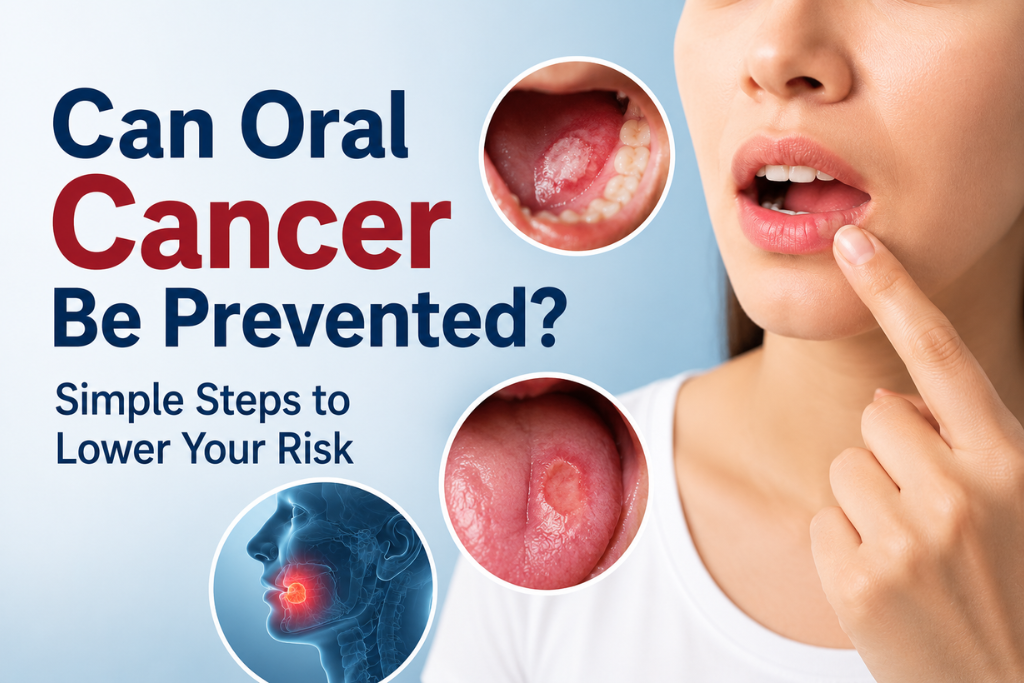
Recognizing the warning signs of oral cancer can lead to early diagnosis and more successful treatment. Be aware of the following symptoms: • A mouth sore that does not heal even after two weeks. • Red or white patches inside the mouth • Persistent pain or swelling • Difficulty swallowing or chewing • Unexplained bleeding from the mouth • An unusual swelling or lump in the mouth, jaw, or neck. • Persistent numbness in the mouth or a noticeable change in your bite. If any of these signs persist, schedule an appointment with a dentist or healthcare provider as soon as possible.10. Schedule Regular Oral Cancer Screenings
Routine dental checkups do more than keep your teeth healthy—they also help detect oral cancer in its earliest stages. Dentists are trained to identify suspicious lesions and other abnormalities that may not be noticeable to patients. People with risk factors such as tobacco use, heavy alcohol consumption, or a family history of cancer should be especially diligent about regular oral examinations. Early diagnosis plays a vital role in improving survival and achieving better treatment outcomes.Conclusion
Although oral cancer cannot always be prevented, many of its major risk factors are within your control. Avoiding tobacco and areca nut products, limiting alcohol, maintaining good oral hygiene, eating a healthy diet, protecting your lips from the sun, staying physically active, and attending regular dental checkups can significantly lower your risk. Just as important is recognizing early warning signs and seeking medical advice without delay, as early diagnosis can make treatment more effective and improve recovery.If you or a loved one experiences persistent oral symptoms or requires expert evaluation, timely care is essential. For advanced Oral Cancer Treatment in Hubli, Hubli Super Specialty Hospital provides comprehensive screening, accurate diagnosis, advanced treatment options, and compassionate care under the guidance of experienced oncology specialists. Recognized as the Best Cancer Hospital in Hubli, the hospital is dedicated to delivering personalized, evidence-based cancer care that prioritizes patient safety, comfort, and the best possible treatment outcomes.