
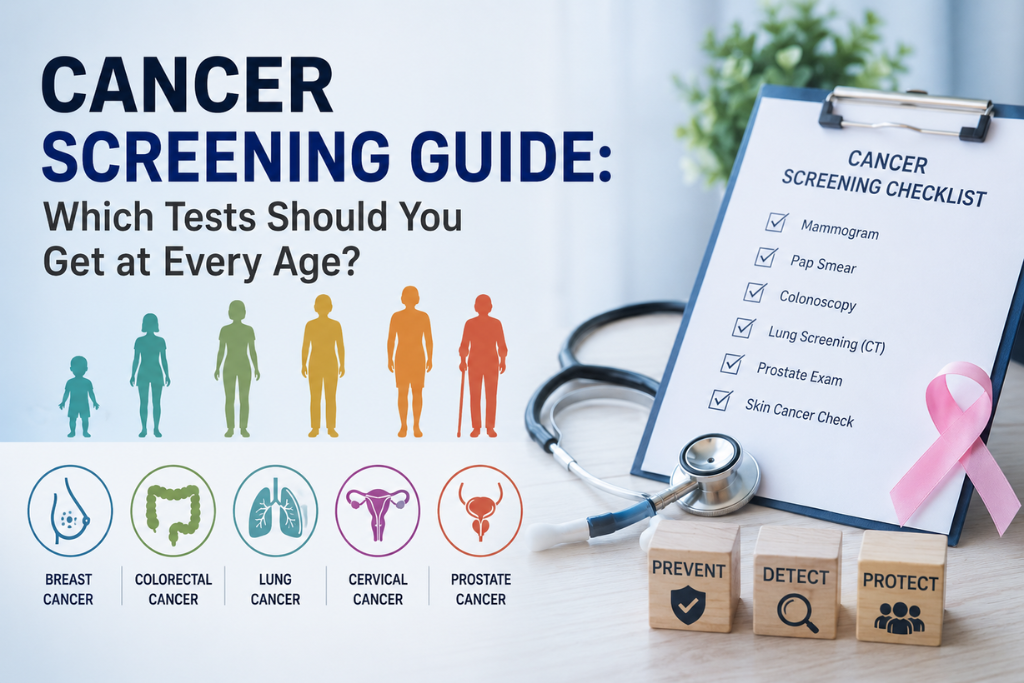
Cancer is a growing health concern, but early detection can significantly improve treatment success and recovery chances. Many cancers develop without noticeable symptoms in their early stages, making regular screening an important part of preventive healthcare. Cancer screening allows doctors to identify abnormal changes in the body before the condition becomes more serious. The right screening tests vary from person to person based on age, gender, family history, lifestyle, and existing health risks. Understanding which tests are needed at different stages of life can help you make informed decisions and take control of your health.
Cancer Screening in Your 20s and 30s
Many people believe cancer screening is only necessary at an older age, but building awareness and maintaining regular health check-ups from a younger age can help reduce future risks. For women, cervical cancer screening is one of the most important preventive measures. Tests such as Pap smears and HPV testing can detect abnormal changes in cervical cells at an early stage, allowing timely medical intervention.
People with a family history of cancer should be more aware of their risk factors. Those with close relatives affected by breast cancer, ovarian cancer, colorectal cancer, or hereditary cancers may require earlier screening or additional tests based on medical advice. This stage of life is also ideal for developing healthy habits that lower cancer risk. Avoiding tobacco products, maintaining a healthy body weight, exercising regularly, eating a balanced diet, and limiting alcohol consumption can support long-term health.
Cancer Screening in Your 40s
As people enter their 40s, regular cancer screening becomes increasingly important. Certain cancers become more common with age, and early detection can make treatment more effective. Women should discuss breast cancer screening options with their healthcare provider. Mammograms are commonly used to detect breast changes that may not be noticeable through physical examination. Early detection through regular screening can improve treatment possibilities.
Colorectal cancer screening should also be considered during this stage. Depending on individual risk factors, doctors may recommend tests such as colonoscopy or other screening methods to identify early signs of cancer or precancerous conditions. Skin health should not be overlooked. People who have frequent sun exposure or notice unusual changes in moles, skin marks, or growths should seek medical evaluation to rule out potential concerns.
Cancer Screening in Your 50s and Beyond
Cancer risk generally increases with age, making regular screening a crucial part of healthcare for adults over 50. Colorectal cancer screening can help detect abnormal growths before they become cancerous and identify cancer at an early stage. Regular monitoring allows doctors to provide timely treatment and improve outcomes. Individuals with a history of heavy smoking or long-term tobacco exposure may benefit from lung cancer screening. Low-dose CT scans can help detect lung cancer earlier in people who are considered high risk.
Women should continue recommended breast cancer screenings, while cervical cancer screening should be followed according to age and previous results. Men should discuss prostate cancer screening with their doctors to understand whether tests such as PSA blood testing are suitable based on their health profile.The Importance of Personalized Cancer Screening
Cancer screening is not a one-size-fits-all approach. Every person has different health needs, and screening recommendations should be based on individual risk factors. Family history, genetic conditions, lifestyle choices, and previous health problems all influence cancer risk. Regular consultations with healthcare professionals help create a screening plan that matches your specific needs.
Many people avoid screening because they feel healthy, but cancer often does not show clear symptoms in its early stages. Regular check-ups provide an opportunity to detect problems early and begin treatment before the condition becomes advanced.Warning Signs You Should Not Ignore
While screening helps identify cancer before symptoms appear, certain warning signs require medical attention. These may include unexplained weight loss, persistent fatigue, unusual bleeding, long-lasting cough, changes in bowel or bladder habits, difficulty swallowing, or the appearance of new lumps.These symptoms may not always indicate cancer, but getting medical advice at the right time can help identify the cause and ensure appropriate care.
Conclusion
Taking preventive health measures today can make a significant difference in your future well-being. Regular cancer screening, awareness of risk factors, and timely medical consultations are essential steps toward early detection and better treatment outcomes.For people looking for reliable healthcare support, HSS Hospital provides advanced diagnostic facilities and comprehensive treatment options with a focus on patient care. Whether you need guidance about Cancer screening in Hubli or are exploring advanced options for Cancer care in Hubli , choosing the right healthcare provider can help you receive timely support and expert medical attention. Visit the HSS Hospital website to learn more about available services and take an important step toward protecting your health.