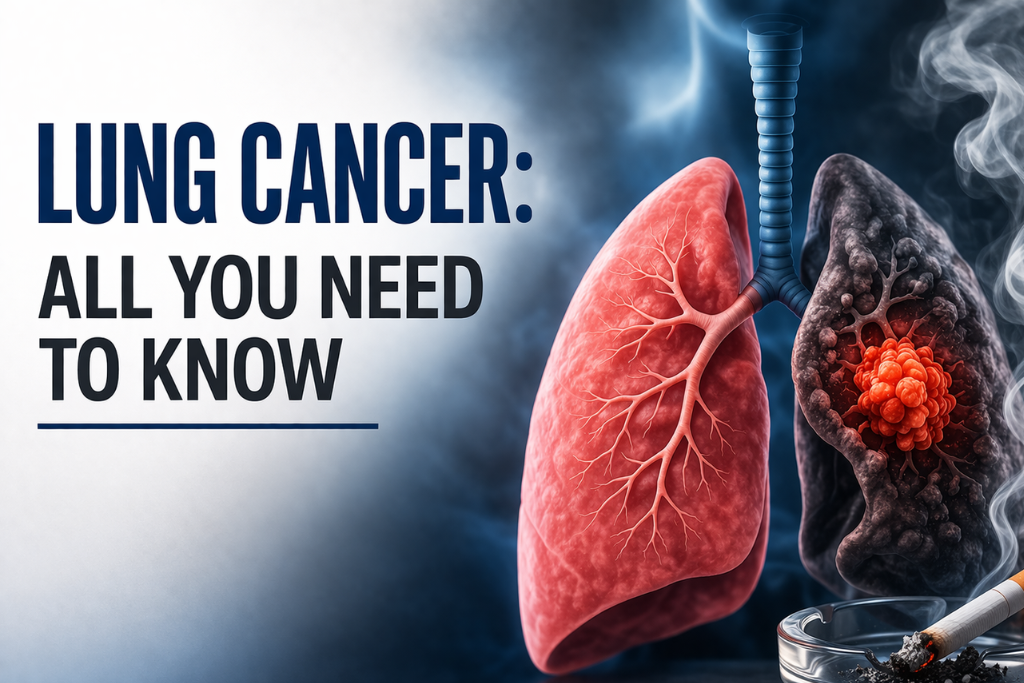
Lung Cancer: All You Need to Know

Lung cancer is one of the most common and deadliest cancers worldwide and a major public health challenge in India. It arises from the tissues of the lungs, usually from the cells lining the air passages. Lung cancer often progresses silently in its early stages and is frequently diagnosed at an advanced stage, leading to poor outcomes. Despite its seriousness, advances in imaging, pathology, molecular testing, and treatment have significantly improved survival and quality of life, especially when lung cancer is detected early. Awareness of risk factors, symptoms, and timely medical evaluation is crucial.

Burden of Lung Cancer in India

Lung cancer is among the leading causes of cancer-related deaths in India. The country reports approximately 70,000–75,000 new lung cancer cases every year. Mortality remains high due to late diagnosis, aggressive disease biology, and high prevalence of tobacco use. Lung cancer is more common in men, but the incidence among women is steadily rising. While smoking is the primary risk factor, a significant proportion of lung cancer cases in India occur in non-smokers, often linked to indoor air pollution, biomass fuel exposure, and environmental factors.

Lung Cancer in Karnataka

Karnataka reports a substantial number of lung cancer cases annually. Hospital-based cancer registries indicate lung cancer as one of the major thoracic malignancies. Urban regions show increasing incidence due to air pollution and smoking, while rural areas face challenges related to delayed diagnosis and limited access to specialized care. Key Statistics at a Glance
  • India: New lung cancer cases per year: ~70,000–75,000 Lung cancer deaths per year: ~66,000 Male predominance, rising incidence in women
  • Karnataka: Major contributor to cancer-related mortality Late-stage diagnosis common

What Is Lung Cancer?

Lung cancer occurs when abnormal cells grow uncontrollably in the lungs and form a tumor. These cancer cells can invade surrounding lung tissue and spread to lymph nodes or distant organs such as the brain, bones, liver, and adrenal glands. Lung cancer is broadly classified into two main categories based on microscopic appearance and behavior, which significantly influences treatment decisions.

Types of Lung Cancer

  1. Non-Small Cell Lung Cancer (NSCLC) This accounts for about 80–85% of lung cancers. It generally grows and spreads more slowly than small cell lung cancer. Subtypes include: – Adenocarcinoma (most common, especially in non-smokers) – Squamous cell carcinoma (strongly associated with smoking) – Large cell carcinoma
  2. Small Cell Lung Cancer (SCLC) This is a highly aggressive form of lung cancer that accounts for about 15–20% of cases. It grows rapidly and spreads early, often requiring prompt systemic treatment.

Causes and Risk Factors of Lung Cancer

Several factors increase the risk of developing lung cancer. These include tobacco smoking (cigarettes, bidis, cigars), second-hand smoke exposure, indoor air pollution from biomass fuels, outdoor air pollution, occupational exposure to asbestos, radon, and other chemicals, previous lung disease such as tuberculosis or chronic obstructive pulmonary disease, family history of lung cancer, and increasing age. Avoiding tobacco exposure remains the most effective preventive measure

Common Symptoms of Lung Cancer

Early lung cancer may not cause symptoms. As the disease progresses, symptoms may include persistent cough, coughing up blood, chest pain, shortness of breath, wheezing, recurrent respiratory infections, hoarseness of voice, unexplained weight loss, fatigue, and bone pain or headaches in advanced disease. Any persistent respiratory symptom lasting more than two to three weeks should be evaluated by a doctor.
  • Diagnosis of Lung Cancer Diagnosis involves a combination of clinical assessment and investigations. Chest X-ray and CT scan of the chest are commonly used initial imaging tests. Bronchoscopy, CT-guided biopsy, or biopsy of metastatic sites helps confirm diagnosis. Molecular testing and immunohistochemistry are essential to identify specific genetic mutations and biomarkers that guide targeted and immunotherapy.
  • Staging of Lung Cancer Staging determines the extent of disease and is classified from Stage I to Stage IV. It depends on tumor size, lymph node involvement, and distant spread. Accurate staging is crucial for selecting appropriate treatment and predicting prognosis.

Treatment Options for Lung Cancer

Treatment depends on cancer type, stage, molecular profile, and patient’s overall health. Management is planned by a multidisciplinary thoracic oncology team.
    • 1. Surgery:
      Surgery is primarily used for early-stage non-small cell lung cancer and involves removal of part or all of the affected lung.
    • 2. Radiation Therapy:
      Radiation therapy may be used as definitive treatment, post-operative therapy, or for symptom relief in advanced disease.
    • 3. Chemotherapy:
      Chemotherapy is used alone or in combination with radiation and surgery, especially in advanced stages.
    • 4. Targeted Therapy:
      Targeted drugs are used in patients with specific genetic mutations such as EGFR, ALK, or ROS1.
    • 5. Immunotherapy:
      Immunotherapy has revolutionized lung cancer treatment and is used alone or in combination with chemotherapy in selected patients.
    • 6. Palliative Care:
      Palliative care focuses on symptom control, pain management, breathlessness relief, and improving quality of life in advanced disease.

Nutrition and Supportive Care

Supportive care is an integral part of lung cancer management. Nutritional counseling, pulmonary rehabilitation, smoking cessation support, pain management, and psychological support are essential components of comprehensive care.

Follow-Up and Surveillance

Regular follow-up after treatment is necessary to monitor response, detect recurrence early, manage long-term side effects, and support rehabilitation. Follow-up includes clinical evaluation, imaging, and laboratory tests as required.

Conclusion

Lung cancer remains a critical health challenge, often diagnosed at later stages, making early awareness and timely intervention extremely important. With continuous advancements in medical technology, early detection methods, and personalized therapies, patients today have better chances of effective treatment and improved quality of life. Recognizing symptoms early and opting for the right care can make a life-saving difference. Access to trusted and advanced Lung cancer treatment in hubli ensures patients receive the timely support and specialized care they need.

Choosing the right hospital plays a vital role in this journey. At Hubli Super Speciality Hospital, patients benefit from expert medical teams, modern diagnostic facilities, and comprehensive cancer care. For more details or to consult specialists, visit https://hshospital.org/  and take a proactive step toward early diagnosis and effective treatment. Early detection doesn’t just improve outcomes—it saves lives.

FAQs:
Lung cancer is potentially curable when detected at an early stage. Advanced lung cancer can often be controlled with modern treatments.

Yes. A significant number of lung cancer cases occur in non-smokers due to environmental and genetic factors.

Many cases can be prevented by avoiding tobacco, reducing exposure to air pollution, and using protective measures in occupational settings.

Consult a doctor if you experience persistent cough, breathlessness, chest pain, coughing up blood, unexplained weight loss, or recurrent chest infections.

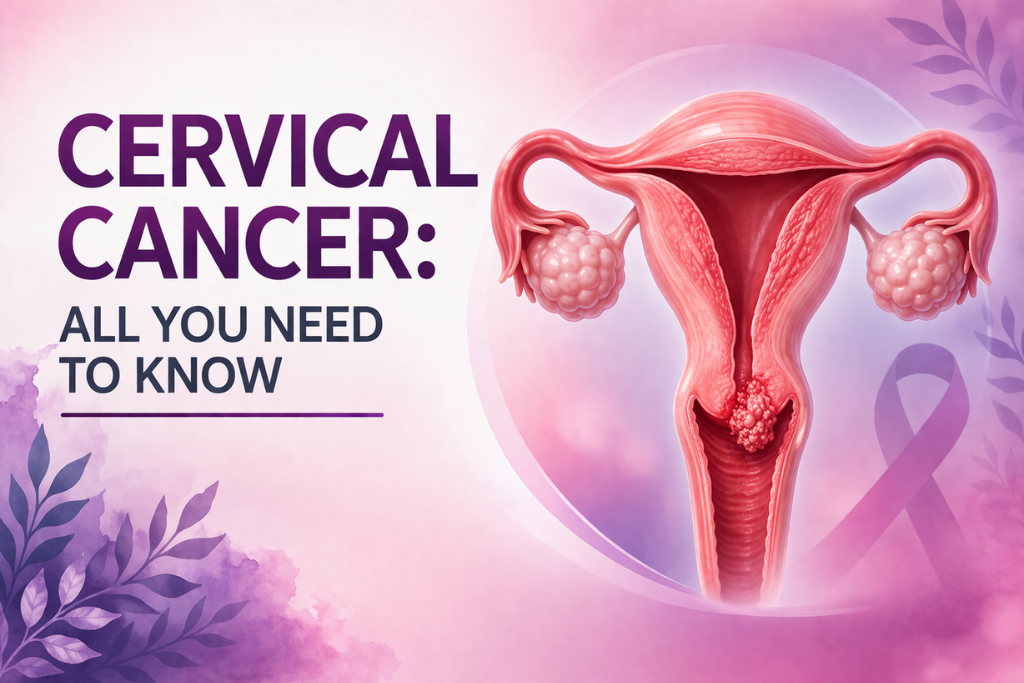
Cervical Cancer: All You Need to Know

Cervical cancer is a major public health problem and one of the most common cancers affecting women, particularly in developing countries like India. It arises from the cervix, which is the lower part of the uterus that connects to the vagina. Cervical cancer is largely preventable and highly treatable when detected early through regular screening and vaccination. Despite being preventable, cervical cancer continues to cause significant morbidity and mortality due to lack of awareness, inadequate screening, and delayed diagnosis. Early detection and timely treatment can dramatically improve survival and quality of life.

Burden of Cervical Cancer in India

Cervical cancer is the second most common cancer among women in India. The country reports approximately 1.2–1.3 lakh new cervical cancer cases every year and nearly 75,000 deaths annually. India contributes a significant proportion of the global cervical cancer burden. The disease commonly affects women between 30 and 60 years of age. Socioeconomic factors, poor access to healthcare, and lack of routine screening contribute to late-stage diagnosis in many patients.

Cervical Cancer in Karnataka

Karnataka reports a substantial number of cervical cancer cases each year. Hospital-based cancer registries indicate cervical cancer as one of the leading gynecological malignancies in the state. A large proportion of women present with locally advanced disease, especially from rural and semi-urban areas, highlighting the need for improved screening and awareness programs. Key Statistics at a Glance India: New cervical cancer cases per year: ~1.2–1.3 lakh Cervical cancer deaths per year: ~75,000 Most affected age group: 30–60 years Karnataka: One of the leading cancers among women High incidence of advanced-stage presentation

What is Cervical Cancer?

Cervical cancer occurs when abnormal cells grow uncontrollably in the cervix. Most cervical cancers develop slowly over time, beginning as precancerous changes known as cervical intraepithelial neoplasia (CIN). If left untreated, these precancerous lesions can progress to invasive cancer. The majority of cervical cancers are caused by persistent infection with high-risk types of Human Papillomavirus (HPV). Types of Cervical Cancer
  1. Squamous Cell Carcinoma This is the most common type, accounting for about 70–80% of cervical cancers. It arises from the squamous cells lining the outer part of the cervix.
  2. Adenocarcinoma This type originates from glandular cells of the cervix and accounts for about 20–25% of cases. It is often more difficult to detect through routine screening.
  3. Adenosquamous Carcinoma A rare type that has features of both squamous cell carcinoma and adenocarcinoma.

Causes and Risk Factors Of Cervical Cancer

The primary cause of cervical cancer is persistent infection with high-risk HPV strains, particularly HPV 16 and 18. Other risk factors include early onset of sexual activity, multiple sexual partners, smoking, long-term use of oral contraceptives, weakened immune system, multiple pregnancies, and lack of regular screening. HPV vaccination and routine screening are effective preventive measures.

Common Symptoms of Cervical Cancer

Early-stage cervical cancer may not cause noticeable symptoms. As the disease progresses, symptoms may include abnormal vaginal bleeding (between periods, after intercourse, or after menopause), foul-smelling vaginal discharge, pelvic pain, pain during intercourse, and urinary or bowel symptoms in advanced stages. Any abnormal vaginal bleeding should be evaluated promptly.

Screening and Early Detection

Cervical cancer is one of the few cancers that can be effectively prevented through screening. Screening methods include Pap smear, HPV DNA testing, and visual inspection with acetic acid (VIA). Regular screening helps detect precancerous changes before they progress to cancer.

Diagnosis of Cervical Cancer

Diagnosis involves pelvic examination, Pap smear or HPV testing, colposcopy, biopsy of suspicious areas, and imaging studies such as ultrasound, CT scan, MRI, or PET scan to determine disease extent.

Staging of Cervical Cancer

Cervical cancer is staged from Stage I to Stage IV based on tumor size, local spread, lymph node involvement, and distant metastasis. Accurate staging guides treatment planning and prognosis.

Treatment Options for Cervical Cancer

Treatment depends on the stage of disease, tumor size, and patient’s overall health. Management is planned by a multidisciplinary oncology team.Surgery: Early-stage cervical cancer may be treated with surgery, including hysterectomy or fertility-preserving procedures in selected cases.
  1. Radiation Therapy: Radiation therapy, often combined with chemotherapy, is the mainstay of treatment for locally advanced cervical cancer.
  2. Chemotherapy: Chemotherapy is used alongside radiation or in advanced and recurrent disease.
  3. Targeted Therapy and Immunotherapy: These therapies are emerging options for advanced or recurrent cervical cancer in selected patients.
  4. Palliative Care: Palliative care focuses on symptom relief, pain control, and improving quality of life in advanced disease.

Follow-Up and Surveillance

Regular follow-up after treatment is essential to detect recurrence early and manage treatment-related side effects. Follow-up includes clinical examination, imaging, and tests as required.

Conclusion

Cervical cancer is a largely preventable and highly treatable disease when identified at an early stage. Raising awareness, promoting HPV vaccination, and ensuring regular screening are crucial steps in reducing its impact. Many cases still go undetected due to lack of knowledge and delayed diagnosis, making education and timely check-ups more important than ever for every woman.

Access to the right care plays a vital role in recovery. With advanced Cervical cancer treatment in Hubli patients now have better chances of early diagnosis, effective treatment, and improved quality of life. For trusted care and expert guidance, visit Hubli Super Speciality Hospital . Paying attention to warning signs and seeking medical help without delay can make all the difference—because early detection doesn’t just treat cancer, it saves lives.

FAQs:

Yes. Cervical cancer is largely preventable through HPV vaccination and regular screening.

Cervical cancer is highly curable when detected early. Even advanced cases can often be controlled with appropriate treatment.

HPV vaccination is recommended for girls and boys, ideally before the onset of sexual activity.

Yes. Regular screening is still necessary even after HPV vaccination.

Consult a doctor if you experience abnormal vaginal bleeding, persistent vaginal discharge, pelvic pain, or pain during intercourse.

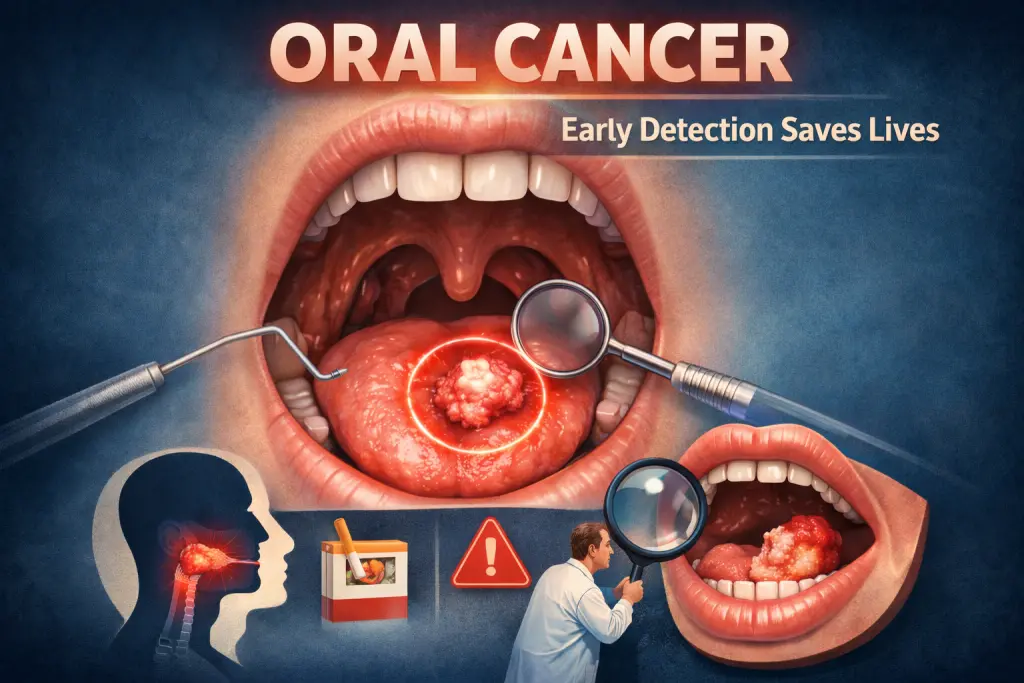
Oral Cancer: All You Need To Know

According to Statistic of India has one of the highest oral cancer burdens in the world. It contributes a large share of global cases thanks largely to tobacco (smoked and smokeless) and areca nut use. According to one recent national source, there are approximately 77,000 new oral cancer cases in India annually, with men affected more than women.

Oral cancer constitutes a major proportion of all cancers in India — around 11–12% of all male cancers and significant among females too.

A government report noted oral cancer incidence in Karnataka is around 12 per 100,000 people, higher than the national average for oral and related cancers.

Hospital registry data (from the Kidwai Memorial Institute) historically showed that in Karnataka, about 24% of all cancer cases are related to tobacco, and oral cancer is a prominent component.

Karnataka’s broader cancer data (not limited to oral cancer) suggests 26,516 cancer deaths overall in recent estimates, a portion of which are due to oral cancers — especially those linked to tobacco use.

Statistic India (Approx) Karnataka (Approx)

Oral cancer new cases per year

India (Approx) : ~77,000

Karnataka (Approx.) : Not separately reported statewide, but incidence ~12/100,000

Oral cancer deaths per year

India (Approx) : ~52,000

Karnataka (Approx.) : Part of ~26,516 total cancer deaths (oral cancer is a significant contributor)

Major cause

India (Approx) : Tobacco (smoked & smokeless)

Karnataka (Approx) : Tobacco (especially smokeless)

Deaths (Mortality)

There are about 52,000 deaths annually in India due to oral cancer.

Oral cancer accounts for a large share of tobacco-related cancer deaths nationwide since it is often detected late.

Mouth Cancer: Causes, Symptoms, Diagnosis, and Treatment

Mouth cancer, also known as oral cancer, is a serious health condition that affects thousands of people every year. It can develop in any part of the mouth, including the lips, tongue, cheeks, gums, floor of the mouth, and roof of the mouth. Early detection and timely treatment can significantly improve survival rates and quality of life.

What is Mouth Cancer

Mouth cancer is a type of cancer that occurs when abnormal cells grow uncontrollably in the tissues of the oral cavity. It is one of the most common cancers in India, especially among people who use tobacco or consume alcohol regularly.

Types of Mouth Cancer

1. Squamous Cell Carcinoma (SCC)

Starts from the flat cells lining the mouth

Affects tongue, cheeks, gums, floor of mouth, lips

Strongly linked to tobacco, gutkha, pan, smoking, alcohol

2. Verrucous Carcinoma

A slow-growing variant of squamous cell carcinoma

Looks like a warty or cauliflower-like growth

Rarely spreads to lymph nodes

Common in chronic tobacco chewers

3. Adenocarcinoma

Arises from minor salivary glands

Usually seen in palate or inner cheeks

Less common than SCC

4. Mucoepidermoid Carcinoma

Cancer of salivary gland tissue

Can occur inside the mouth or jaw

Seen in both adults and children

5. Lymphoma

Cancer of the immune system

May appear as a soft swelling in tonsils or floor of mouth

6. Melanoma (Oral Melanoma)

Rare but very aggressive

Appears as black or brown patch

Often on palate or gums

7. Sarcoma

Develops from muscle, bone, or connective tissue

Includes osteosarcoma, fibrosarcoma

Rare in the oral cavity

Causes and Risk Factors of Mouth Cancer

Several factors increase the risk of developing mouth cancer, including:

Tobacco use (smoking cigarettes, bidis, chewing tobacco, gutkha, pan masala)

Excessive alcohol consumption

Betel nut (areca nut) chewing

Poor oral hygiene

Human Papillomavirus (HPV) infection

Prolonged sun exposure (risk for lip cancer)

Family history of cancer

Avoiding tobacco and alcohol can significantly reduce the risk of mouth cancer.

Common Symptoms of Mouth Cancer

Early symptoms of mouth cancer are often ignored, which leads to late diagnosis. Common signs include:

A non-healing mouth ulcer

Red or white patches inside the mouth

Persistent mouth pain or soreness

Difficulty in chewing, swallowing, or speaking

Lump or thickening in the cheek

Loose teeth without dental cause

Numbness in the mouth or tongue

Unexplained bleeding in the mouth

If these symptoms last for more than two weeks, it is important to consult a doctor immediately.

Diagnosis of Mouth Cancer

Mouth cancer is diagnosed through a combination of:

Physical examination of the mouth

Biopsy of suspicious lesions

Imaging tests such as CT scan, MRI, or PET scan

FAQs:

Cancer is a disease in which abnormal cells grow uncontrollably and can spread to other parts of the body if not treated early.

Common cancers include: Oral (mouth) cancer, Breast cancer, Lung cancer, Cervical cancer, Colorectal cancer, Prostate cancer, Blood cancers (leukemia, lymphoma)

Cancer treatment depends on the type and stage of cancer. Common treatments include: Surgery Chemotherapy Radiation therapy Immunotherapy Targeted therapy Hormone therapy

Doctors decide treatment based on: Type of cancer Stage of cancer Patient’s age and overall health Test reports and scans A multidisciplinary cancer team usually plans the treatment.

Yes, many cancers are curable if detected early. Even advanced cancers can often be controlled and quality of life improved with proper treatment.

Not always. Hair loss depends on: Type of chemotherapy drug Dose and duration Some patients may have mild hair thinning, while others may not lose hair at all.

Radiation treatment itself is painless. However, some patients may experience side effects like skin irritation or fatigue during the course.

Side effects vary by treatment and patient but may include: Fatigue Nausea or vomiting Loss of appetite Hair loss Low immunity Doctors provide medicines and support to manage these effects.

Treatment duration varies: Surgery: few days to weeks Chemotherapy: several weeks or months Radiation: usually 3–6 weeks Your doctor will explain the exact schedule.

Many patients can continue daily activities with rest and adjustments. Heavy work may need to be avoided during treatment.

Cost depends on: Type of cancer Treatment method Duration of therapy Government schemes, insurance, and hospital financial assistance may help.

Healthy balanced diet Avoid tobacco and alcohol Adequate rest Regular follow-up visits Emotional and family support

Yes. Regular follow-up is important to: Monitor recovery Detect recurrence early Manage long-term side effects

Some cancers can be prevented by: Avoiding tobacco Limiting alcohol Healthy diet and exercise Regular screening tests Vaccinations (HPV, Hepatitis B)

Consult a doctor if you notice: Non-healing ulcers Unusual lumps Persistent pain Unexplained weight loss Difficulty swallowing or breathing

Yes, Cancer treatment can affect fertility Especially chemotherapy and radiation therapy. Discuss fertility preservation options with doctors before starting cancer treatment.

Surgery removes cancerous tumours and relieves symptoms caused by tumours. It can be used alone or in combination with other cancer treatments.

Chemotherapy uses drugs to kill cancer cells. It is also used to shrink tumours before surgery Kill any remaining cancer cells after surgery.

Radiation therapy makes use of radiation to destroy cancerous cells. It may be used as a stand-alone treatment or in other cancer treatments.

Targeted therapy uses drugs to target proteins or genes contributing to the growth and spread of cancer cells.

Immunotherapy helps the body’s immune system fight cancer. It can be used alone or in combination with other cancer treatments.

Hormone therapy blocks and lowers the levels of hormones contributing to the growth of certain cancers

Yes, cancer treatment can affect your mental health and lead to symptoms such as anxiety and depression. It’s crucial to seek support from mental health professionals if you experience these symptoms

Breast Cancer: All You Need to Know

Overview

Breast cancer is the most common cancer affecting women worldwide and is a major public health concern in India. Although it primarily affects women, men can also develop breast cancer, though it is rare. Advances in screening, diagnosis, and treatment have significantly improved survival rates, especially when the disease is detected early.

Breast Cancer Burden in India

Breast cancer is the most commonly diagnosed cancer among Indian women. India reports approximately 1.8–2 lakh new breast cancer cases annually and nearly 90,000 deaths every year. Breast cancer accounts for over 25% of all female cancers. Late diagnosis remains a major challenge.

Breast Cancer in Karnataka

Karnataka reports one of the highest breast cancer incidences in South India. Urban areas such as Bengaluru show a rising trend, while rural regions often present with advanced-stage disease due to lack of awareness and screening.

Key Statistics at a Glance

India:

  • New breast cancer cases per year: ~1.8–2 lakh
  • Breast cancer deaths per year: ~90,000

Karnataka:

  • Leading cancer among women
  • High proportion of late-stage diagnosis

What Is Breast Cancer?

Breast cancer occurs when abnormal cells in the breast tissue grow uncontrollably and form a tumour. These cells can invade nearby tissues and spread to other parts of the body through lymphatic channels or the bloodstream.

Types of Breast Cancer

1. Ductal Carcinoma In Situ (DCIS)

A non-invasive, early-stage cancer confined to the milk ducts and highly curable when treated early.

2. Invasive Ductal Carcinoma (IDC)

The most common type of breast cancer that begins in the milk ducts and spreads to surrounding tissue.

3. Invasive Lobular Carcinoma (ILC)

Arises from milk-producing glands and may be harder to detect on imaging.

4. Triple-Negative Breast Cancer

Lacks estrogen, progesterone, and HER2 receptors. It is more aggressive and common in younger women.

5. HER2-Positive Breast Cancer

Characterized by overexpression of HER2 protein and responds well to targeted therapy.

6. Inflammatory Breast Cancer

A rare and aggressive cancer causing redness, swelling, and skin thickening.

7. Male Breast Cancer

A rare condition often diagnosed at a later stage.

Causes and Risk Factors

Risk factors include increasing age, family history of breast or ovarian cancer, genetic mutations (BRCA1 and BRCA2), early menstruation, late menopause, late pregnancy, limited breastfeeding, obesity, sedentary lifestyle, alcohol consumption, and hormone replacement therapy.

Common Symptoms of Breast Cancer

  • Painless lump in the breast or underarm
  • Change in breast size or shape
  • Skin dimpling or puckering
  • Nipple retraction or discharge
  • Redness or thickening of breast skin
  • Persistent breast pain

Screening and Early Detection

Early detection significantly improves outcomes. Screening methods include breast self-examination, clinical breast examination, mammography, ultrasound, and MRI for high-risk patients.

Diagnosis of Breast Cancer

Diagnosis includes clinical examination, imaging (mammography, ultrasound, MRI), core needle biopsy, hormone receptor testing, HER2 testing, and staging scans when required.

Treatment Options for Breast Cancer

Treatment depends on the type and stage of cancer and may include surgery, chemotherapy, radiation therapy, hormone therapy, targeted therapy, and immunotherapy. A multidisciplinary cancer team plans individualized treatment.

Prevention and Lifestyle Measures

Maintain a healthy weight, exercise regularly, limit alcohol intake, breastfeed if possible, undergo regular screening, and seek genetic counselling if at high risk.

When Should You Consult a Doctor?

Consult a doctor if you notice any new breast lump, changes in breast appearance, nipple discharge, persistent breast pain, or skin changes.

Conclusion

Breast cancer is highly curable when detected early. Awareness, screening, and timely medical intervention play a vital role in improving survival and quality of life. Early detection saves lives.

Blood Cancer: All You Need to Know

Overview

Blood cancer, also known as hematological malignancy, is a group of cancers that affect the blood, bone marrow, and lymphatic system. Unlike solid tumors, blood cancers interfere with the production and function of blood cells, leading to serious complications affecting immunity, oxygen transport, and clotting.

Blood cancer can occur at any age, including in children, adults, and the elderly. Advances in diagnostics, chemotherapy, targeted therapy, immunotherapy, and stem cell transplantation have significantly improved outcomes in many types of blood cancer. Early diagnosis and appropriate treatment are key to improving survival and quality of life.

Burden of Blood Cancer in India

Blood cancers constitute a significant proportion of all cancers in India. It is estimated that India reports approximately 70,000–80,000 new blood cancer cases every year. Leukemias, lymphomas, and multiple myeloma are the most common types.

Blood cancers are among the leading cancers in children and young adults. In adults, incidence increases with age. Late diagnosis, lack of awareness, and limited access to specialized hematology-oncology services contribute to higher mortality in many regions.

Blood Cancer in Karnataka

Karnataka reports a considerable number of blood cancer cases annually. Hospital-based cancer registries indicate blood cancers as a major contributor to cancer-related morbidity and mortality. Both pediatric and adult populations are affected. Urban centers have better access to diagnostic and treatment facilities, while rural areas often face delays in diagnosis and referral.

Key Statistics at a Glance

India:

  • New blood cancer cases per year: ~70,000–80,000
  • Common in children and older adults

Karnataka:

  • Significant burden of hematological malignancies
  • Late-stage diagnosis common in rural areas

What Is Blood Cancer?

Blood cancer occurs when abnormal blood cells grow uncontrollably and disrupt the normal production and function of healthy blood cells. Most blood cancers originate in the bone marrow, where blood cells are produced.

Blood cancers affect:

  • White blood cells (immunity)
  • Red blood cells (oxygen transport)
  • Platelets (blood clotting)

The abnormal cells crowd out normal cells, leading to infections, anemia, and bleeding tendencies.

Types of Blood Cancer

1. Leukemia

Leukemia is a cancer of the blood and bone marrow characterized by the uncontrolled production of abnormal white blood cells. It can be acute or chronic.

Major types include:

  • Acute Lymphoblastic Leukemia (ALL)
  • Acute Myeloid Leukemia (AML)
  • Chronic Lymphocytic Leukemia (CLL)
  • Chronic Myeloid Leukemia (CML)

2. Lymphoma

Lymphoma is a cancer of the lymphatic system, which is part of the immune system. It commonly presents with enlarged lymph nodes.

Main types include:

  • Hodgkin Lymphoma
  • Non-Hodgkin Lymphoma

3. Multiple Myeloma

Multiple myeloma is a cancer of plasma cells, a type of white blood cell that produces antibodies. It affects the bone marrow and can cause bone pain, fractures, anemia, and kidney problems.

Causes and Risk Factors of Blood Cancer

The exact cause of blood cancer is often unknown. However, several factors increase the risk, including genetic predisposition, exposure to radiation, exposure to certain chemicals (such as benzene), previous chemotherapy or radiation therapy, viral infections (such as Epstein-Barr virus), weakened immune system, smoking, and increasing age.

Most blood cancers are not inherited, though certain genetic conditions may increase risk.

Common Symptoms of Blood Cancer

Symptoms of blood cancer are often nonspecific and may develop gradually. Common symptoms include persistent fever, recurrent infections, unexplained weight loss, fatigue, weakness, pallor, shortness of breath, easy bruising or bleeding, frequent nosebleeds, bone or joint pain, enlarged lymph nodes, liver or spleen, and night sweats.

Persistent or unexplained symptoms should prompt medical evaluation.

Diagnosis of Blood Cancer

Diagnosis involves a combination of clinical assessment and specialized tests. These include complete blood count (CBC), peripheral blood smear, bone marrow aspiration and biopsy, immunophenotyping by flow cytometry, cytogenetic and molecular testing, imaging studies such as CT scan or PET-CT, and organ function tests.

Accurate diagnosis and classification are essential for selecting appropriate treatment.

Staging and Risk Stratification

Unlike many solid tumors, blood cancers are not always staged in the traditional way. Risk stratification depends on disease type, genetic abnormalities, response to treatment, and patient factors. This helps guide treatment intensity and prognosis.

Treatment Options for Blood Cancer

Treatment depends on the type of blood cancer, disease stage or risk category, genetic profile, and patient’s overall health. Management is planned by a multidisciplinary hematology-oncology team.

Chemotherapy:

Chemotherapy is the backbone of treatment for many blood cancers and may be given in cycles.

Targeted Therapy:

Targeted drugs act on specific molecular abnormalities, such as tyrosine kinase inhibitors in chronic myeloid leukemia.

Immunotherapy:

Immunotherapy includes monoclonal antibodies, CAR-T cell therapy, and immune checkpoint inhibitors in selected cases.

Stem Cell Transplantation:

Bone marrow or stem cell transplantation may be curative in selected patients and involves replacing diseased marrow with healthy stem cells.

Radiation Therapy:

Radiation is used in selected lymphomas or for symptom relief.

Supportive Care:

Supportive care includes blood transfusions, antibiotics, growth factors, and management of treatment-related side effects.

Follow-Up and Survivorship Care

Regular follow-up is essential to monitor treatment response, detect relapse early, manage long-term complications, and support physical and emotional recovery. Survivorship care focuses on quality of life, fertility issues, and psychosocial well-being.

FAQs:

Many blood cancers are curable, especially when diagnosed early. Others can be controlled for long periods with modern treatment.

Yes. Leukemia is the most common cancer in children, and cure rates are high with appropriate treatment.

Most blood cancers are not inherited, though family history may slightly increase risk.

No. Transplant is needed only in selected cases based on disease type and risk.

Consult a doctor if you experience persistent fever, unexplained fatigue, frequent infections, easy bruising or bleeding, swollen lymph nodes, bone pain, or unexplained weight loss.

Conclusion

Blood cancer encompasses a wide range of diseases with varying behavior and outcomes. Advances in medical science have transformed blood cancer from a fatal illness to a potentially curable or controllable condition in many patients. Early diagnosis, access to specialized care, and adherence to treatment and follow-up are crucial for improving survival and quality of life. Early detection saves lives.