
Burden of Cervical Cancer in India
Cervical cancer is the second most common cancer among women in India. The country reports approximately 1.2–1.3 lakh new cervical cancer cases every year and nearly 75,000 deaths annually. India contributes a significant proportion of the global cervical cancer burden. The disease commonly affects women between 30 and 60 years of age. Socioeconomic factors, poor access to healthcare, and lack of routine screening contribute to late-stage diagnosis in many patients.Cervical Cancer in Karnataka
Karnataka reports a substantial number of cervical cancer cases each year. Hospital-based cancer registries indicate cervical cancer as one of the leading gynecological malignancies in the state. A large proportion of women present with locally advanced disease, especially from rural and semi-urban areas, highlighting the need for improved screening and awareness programs. Key Statistics at a Glance India: New cervical cancer cases per year: ~1.2–1.3 lakh Cervical cancer deaths per year: ~75,000 Most affected age group: 30–60 years Karnataka: One of the leading cancers among women High incidence of advanced-stage presentationWhat is Cervical Cancer?
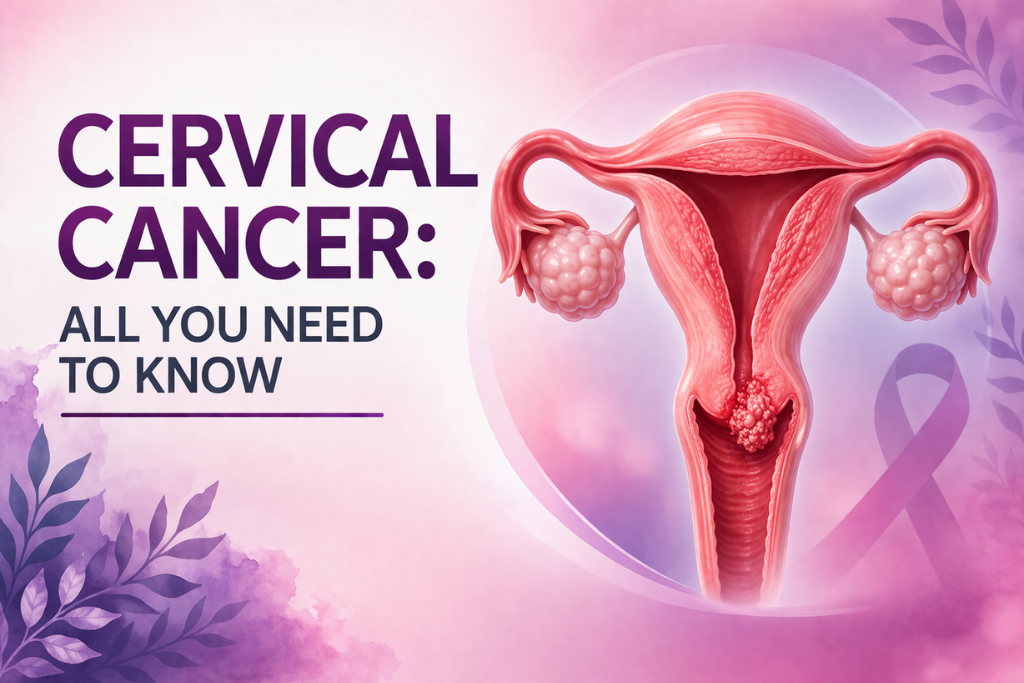
Cervical cancer occurs when abnormal cells grow uncontrollably in the cervix. Most cervical cancers develop slowly over time, beginning as precancerous changes known as cervical intraepithelial neoplasia (CIN). If left untreated, these precancerous lesions can progress to invasive cancer. The majority of cervical cancers are caused by persistent infection with high-risk types of Human Papillomavirus (HPV). Types of Cervical Cancer- Squamous Cell Carcinoma This is the most common type, accounting for about 70–80% of cervical cancers. It arises from the squamous cells lining the outer part of the cervix.
- Adenocarcinoma This type originates from glandular cells of the cervix and accounts for about 20–25% of cases. It is often more difficult to detect through routine screening.
- Adenosquamous Carcinoma A rare type that has features of both squamous cell carcinoma and adenocarcinoma.
Causes and Risk Factors Of Cervical Cancer
The primary cause of cervical cancer is persistent infection with high-risk HPV strains, particularly HPV 16 and 18. Other risk factors include early onset of sexual activity, multiple sexual partners, smoking, long-term use of oral contraceptives, weakened immune system, multiple pregnancies, and lack of regular screening. HPV vaccination and routine screening are effective preventive measures.Common Symptoms of Cervical Cancer
Early-stage cervical cancer may not cause noticeable symptoms. As the disease progresses, symptoms may include abnormal vaginal bleeding (between periods, after intercourse, or after menopause), foul-smelling vaginal discharge, pelvic pain, pain during intercourse, and urinary or bowel symptoms in advanced stages. Any abnormal vaginal bleeding should be evaluated promptly.Screening and Early Detection
Cervical cancer is one of the few cancers that can be effectively prevented through screening. Screening methods include Pap smear, HPV DNA testing, and visual inspection with acetic acid (VIA). Regular screening helps detect precancerous changes before they progress to cancer.Diagnosis of Cervical Cancer
Diagnosis involves pelvic examination, Pap smear or HPV testing, colposcopy, biopsy of suspicious areas, and imaging studies such as ultrasound, CT scan, MRI, or PET scan to determine disease extent.Staging of Cervical Cancer
Cervical cancer is staged from Stage I to Stage IV based on tumor size, local spread, lymph node involvement, and distant metastasis. Accurate staging guides treatment planning and prognosis.Treatment Options for Cervical Cancer
Treatment depends on the stage of disease, tumor size, and patient’s overall health. Management is planned by a multidisciplinary oncology team.Surgery: Early-stage cervical cancer may be treated with surgery, including hysterectomy or fertility-preserving procedures in selected cases.- Radiation Therapy: Radiation therapy, often combined with chemotherapy, is the mainstay of treatment for locally advanced cervical cancer.
- Chemotherapy: Chemotherapy is used alongside radiation or in advanced and recurrent disease.
- Targeted Therapy and Immunotherapy: These therapies are emerging options for advanced or recurrent cervical cancer in selected patients.
- Palliative Care: Palliative care focuses on symptom relief, pain control, and improving quality of life in advanced disease.
Follow-Up and Surveillance
Regular follow-up after treatment is essential to detect recurrence early and manage treatment-related side effects. Follow-up includes clinical examination, imaging, and tests as required.Conclusion
Cervical cancer is a largely preventable and highly treatable disease when identified at an early stage. Raising awareness, promoting HPV vaccination, and ensuring regular screening are crucial steps in reducing its impact. Many cases still go undetected due to lack of knowledge and delayed diagnosis, making education and timely check-ups more important than ever for every woman.
Access to the right care plays a vital role in recovery. With advanced Cervical cancer treatment in Hubli patients now have better chances of early diagnosis, effective treatment, and improved quality of life. For trusted care and expert guidance, visit Hubli Super Speciality Hospital . Paying attention to warning signs and seeking medical help without delay can make all the difference—because early detection doesn’t just treat cancer, it saves lives.
FAQs: