
Burden of Rectal Cancer in India
Colorectal cancer is among the leading gastrointestinal cancers in India, and rectal cancer constitutes a substantial proportion of these cases. India reports approximately 65,000–70,000 new colorectal cancer cases annually, with rectal cancer accounting for nearly one-third to half of these cases. The incidence of rectal cancer is increasing in India due to changing dietary habits, sedentary lifestyle, obesity, and aging population. Many patients continue to present at advanced stages, resulting in higher morbidity and mortality.Rectal Cancer in Karnataka
Karnataka reports a growing number of rectal cancer cases each year. Hospital-based cancer registries indicate rectal cancer as a major contributor to gastrointestinal malignancies. Urban regions show increasing incidence, while delayed diagnosis is common in rural and semi-urban populations due to lack of awareness and screening.Key Statistics at a Glance
India:
New colorectal cancer cases per year: ~65,000–70,000
Rectal cancer proportion: ~30–50%
Increasing incidence trend
Karnataka:
Significant gastrointestinal cancer burden
Late-stage diagnosis common
What Is Rectal Cancer?
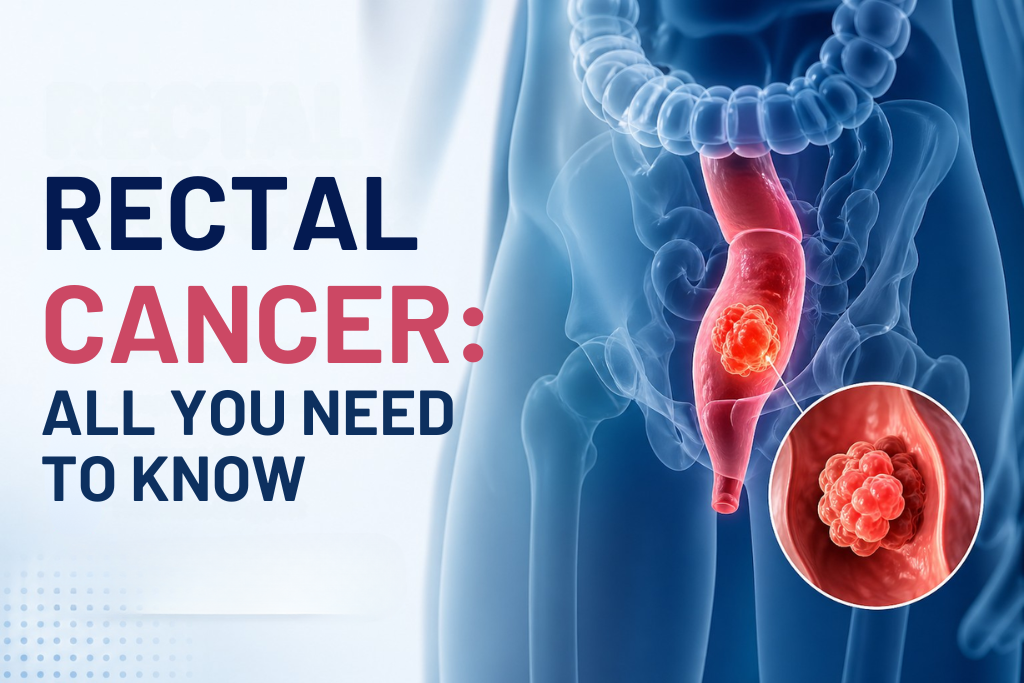
Rectal cancer occurs when abnormal cells grow uncontrollably in the lining of the rectum. Over time, these cells form a tumour that can invade surrounding tissues and spread to nearby lymph nodes or distant organs such as the liver and lungs. Rectal cancer is distinct from colon cancer due to differences in anatomy, blood supply, lymphatic drainage, and treatment strategies.Types of Rectal Cancer
1. Adenocarcinoma
This is the most common type of rectal cancer, accounting for more than 90% of cases. It arises from glandular cells lining the rectum.
2. Neuroendocrine Tumors
Rare tumors arising from hormone-producing cells of the rectum.
3. Squamous Cell Carcinoma
Very rare in the rectum and managed differently from adenocarcinoma.
4. Gastrointestinal Stromal Tumors (GIST)
Rare tumors arising from connective tissue of the rectal wall.
Causes and Risk Factors of Ovarian Cancer
The exact cause of ovarian cancer is not fully understood. However, several risk factors increase the likelihood of developing the disease. These include increasing age, family history of ovarian or breast cancer, inherited genetic mutations such as BRCA1 and BRCA2, early onset of menstruation, late menopause, infertility, nulliparity, endometriosis, obesity, and long-term hormone replacement therapy. Protective factors include pregnancy, breastfeeding, and the use of oral contraceptive pills.Causes and Risk Factors of Rectal Cancerr
Several factors increase the risk of rectal cancer, including increasing age, family history of colorectal cancer, inherited genetic syndromes (such as Lynch syndrome and familial adenomatous polyposis), inflammatory bowel disease, diet high in red and processed meats, low fiber intake, obesity, physical inactivity, smoking, excessive alcohol consumption, and type 2 diabetes. Adopting a healthy lifestyle and regular screening can significantly reduce risk.Common Symptoms of Rectal Cancer
Symptoms may vary depending on tumor location and stage. Common symptoms include rectal bleeding, blood in stools, change in bowel habits (constipation or diarrhea), narrow stools, sensation of incomplete bowel evacuation, abdominal pain or cramping, unexplained weight loss, fatigue, and anemia. Any persistent rectal bleeding or change in bowel habits should be evaluated promptly.Diagnosis of Rectal Cancer
Diagnosis involves a detailed clinical evaluation and investigations such as digital rectal examination, colonoscopy with biopsy, and imaging studies. MRI of the pelvis is crucial for local staging, while CT scan or PET-CT helps assess distant spread. Blood tests including carcinoembryonic antigen (CEA) are used for baseline assessment and follow-up.Staging of Rectal Cancer
Rectal cancer is staged from Stage I to Stage IV based on depth of tumor invasion, lymph node involvement, and distant metastasis. Accurate staging is essential for treatment planning and prognosis.Treatment Options for Rectal Cancer
Treatment depends on cancer stage, tumor location, and patient’s overall health. Management is planned by a multidisciplinary colorectal cancer team.Surgery:
Surgery is the cornerstone of rectal cancer treatment. Procedures include low anterior resection, abdominoperineal resection, and sphincter-preserving surgeries where feasible.
Chemotherapy:
Chemotherapy may be given before surgery (neoadjuvant), after surgery (adjuvant), or for advanced disease.
Radiation Therapy:
Radiation therapy, often combined with chemotherapy, is commonly used before surgery to shrink the tumor and reduce recurrence risk.
Iymmunotherap
Used in specific cases such as tumors with mismatch repair deficiency.
Palliative Care:
Focuses on symptom control, pain management, bowel obstruction relief, and improving quality of life in advanced disease.
Targeted Therapy:
Used in selected metastatic cases based on molecular profiling.
Nutrition and Supportive Care
Nutrition plays an important role in rectal cancer management. Patients may require dietary counseling, management of bowel symptoms, stoma care education if applicable, and psychological support.
Follow-Up and Surveillance
Regular follow-up after treatment is essential to detect recurrence early and manage long-term side effects. Follow-up includes clinical examination, colonoscopy, imaging, and tumor marker monitoring.Conclusion
Rectal cancer is a highly treatable condition, especially when detected early. Awareness of symptoms, regular screening, and timely diagnosis are key to improving outcomes. With advances in multidisciplinary treatment approaches, including surgery, chemotherapy, and radiation therapy, patients today have better chances of successful recovery and improved quality of life. If you or your loved ones experience persistent symptoms such as changes in bowel habits, rectal bleeding, or unexplained weight loss, do not delay seeking medical attention. For those seeking Rectal cancer treatment in Hubli, Hubli Super Speciality Hospital offers expert care, modern diagnostics, and personalized treatment plans. To learn more or book a consultation, visit https://hshospital.org/.FAQs:
Rectal cancer is highly curable when detected early. Even advanced disease can often be controlled with modern treatment.
No. Conditions like piles and fissures are common, but persistent bleeding must be evaluated.
Yes. Screening colonoscopy helps detect precancerous polyps and early cancers.
Not always. Many patients can undergo sphincter-preserving surgery depending on tumor location and response to treatment.
Consult a doctor if you experience rectal bleeding, persistent change in bowel habits, unexplained weight loss, abdominal pain, or anemia.